Scripture References
Here there is not Greek and Jew, circumcised and uncircumcised, barbarian, Scythian, slave, free; but Christ is all, and in all. -Colossians 3:11 ESV
There is neither Jew nor Greek, there is neither slave nor free, there is no male and female, for you are all one in Christ Jesus. -Galatians 3:28 ESV
And he answered, “You shall love the Lord your God with all your heart and with all your soul and with all your strength and with all your mind, and your neighbor as yourself.” – Luke 10:27
Follow-up questions for teachers:
- Engage: When students bring up sensitive or complex cultural issues, how do I typically respond — by redirecting, reframing, or diving in? What helps me discern when to engage versus when to pause and prepare?
- Equip: What does psychological safety look like in my classroom? How can I create an environment where students know they can speak honestly, ask questions, and still feel respected?
- Express: What conversation norms do I currently model or reinforce (e.g., active listening, empathy, humility)? Which ones might I need to strengthen to help students express love and truth more effectively?
- Spiritual Lens: How does my love for God shape the way I approach conversations about difference, justice, or disagreement? What Scriptures remind me to lead with both conviction and compassion?
- Application: What is one specific step I can take this month to help my students engage in healthier, more courageous dialogue — perhaps through a discussion format, project, or devotional moment?
Student Reflection Questions
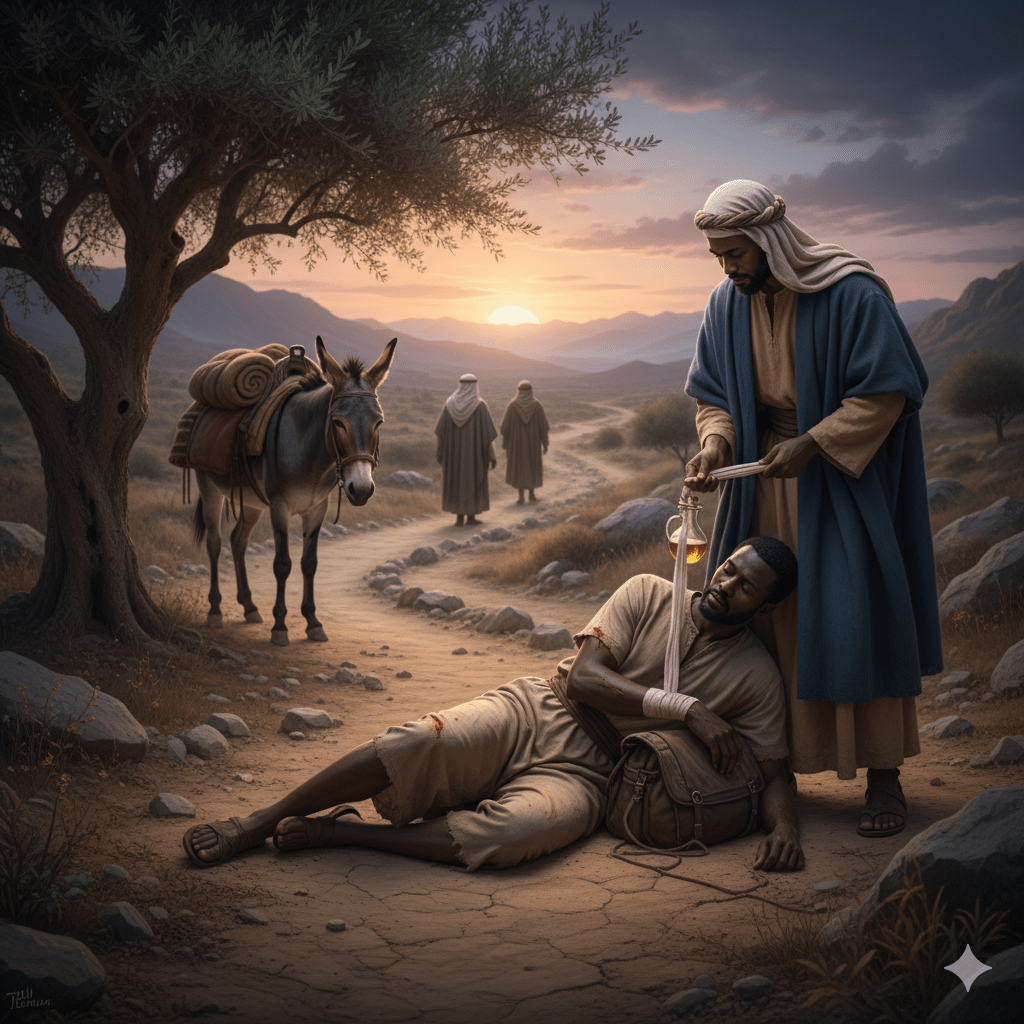
- Seeing with the Heart: In the Good Samaritan story, who really saw the man in need? What helped him notice what others ignored?
- Loving God First: How does loving God with all your heart, soul, strength, and mind help you love people who are different from you?
- Courage to Cross Over: The Samaritan crossed the road to help. What might it look like for you to “cross over” — to reach out to someone you don’t usually talk to, or someone who’s different from you?
- Everyday Mercy: What are small ways you can show compassion, care, or generosity at school or in your community this week?
- Reflecting Together: What was one thing you learned today about how God’s love changes the way we see and treat others?
- Taking It Home: If someone asked, “What did you learn about love today?” what would you tell them?
Other Resources
Other Helpful Resources
Empathy Map – https://medium.com/@davegray/updated-empathy-map-canvas-46df22df3c8a
Leadership On the Line (Managing the temperature)
Leading Change (Process of cultural change)
The Fearless Organization (Psychological safety)
 Kathairo Solutions