
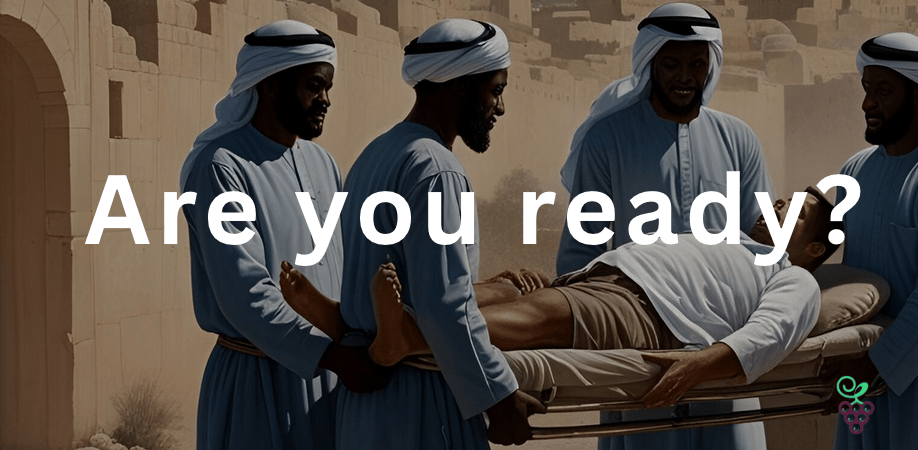
In today’s world, the need for racial reconciliation is as urgent as ever. Yet, there are still many who fail to see the importance of it or actively resist the effort. As individuals committed to making a difference, we have a responsibility to not only advocate for change but also help carry others toward understanding and healing. Much like the men in the Gospel of Mark who carried their paralyzed friend to Jesus, we must recognize that sometimes people need a helping hand to see the importance of reconciliation. They may be unwilling or unable to take the first step themselves, but we can act as the bridge that brings them closer to transformation.
In Mark 2:1-12, we encounter the story of four men who, determined to help their friend who was paralyzed, took drastic steps to ensure he could meet Jesus. When they couldn’t get through the crowd, they made a hole in the roof and lowered their friend down to Jesus. Their faith, persistence, and desire to see their friend healed were the catalyst for his restoration. This story speaks volumes about the role we can play in the lives of others, especially in the context of racial reconciliation.
Here are three vital ways we can carry others toward reconciliation:
1. Faith to Believe in Change
The men in Mark 2 showed deep faith that Jesus could heal their friend. Similarly, we must have faith that true reconciliation is possible. It’s easy to become discouraged by resistance or indifference, but we must believe that change is not only possible but necessary. Our belief in the transformative power of racial reconciliation can help inspire others to take the journey, even when they don’t fully understand the need.
2. Persistence to Push Past Barriers
When the crowd blocked their way, the men didn’t give up. They found another route. In the same way, when obstacles arise in conversations about race and reconciliation, we must persist. Whether it’s in personal conversations, community efforts, or institutional change, the road to healing isn’t always smooth. We must keep pushing forward, breaking through the barriers of discomfort, ignorance, and fear, knowing that the outcome is worth the effort.
3. Action to Make a Difference
The men didn’t simply talk about helping their friend—they took action. They carried him physically, broke through a roof, and placed him at Jesus’ feet. In the realm of racial reconciliation, it’s not enough to just acknowledge the need for change; we must take concrete steps. Whether it’s engaging in difficult conversations, supporting organizations working for racial justice, or making changes within our own spheres of influence, action is required. We must be willing to carry others toward understanding, even if it’s inconvenient or challenging.

Conclusion: Moving Toward Healing Together
Just as the men in Mark 2 were willing to do whatever it took to bring their friend to Jesus, we too must be willing to do the hard work of racial reconciliation. It’s a journey that requires faith, persistence, and action. As we help others move past their resistance and toward a place of understanding and healing, we become part of the broader work of restoring broken relationships and fostering unity. Let’s commit to carrying others with us on this path to reconciliation, knowing that our efforts will lead to lasting change for all.

 Kathairo Solutions
Leave a reply to Why We Recognize Black Excellence – Kathairo Solutions Cancel reply