Recently, I visited the Caribbean island of Curaçao with my wife and a few good friends. We had been planning the trip for months, looking forward to the warm weather and some much-needed rest. Scattered around the tourist areas were signs reading, “No hurries, no worries. You are on island time,” and we did our best to live by it.
While the relaxation was expected, something else caught us completely off guard. Early in the trip, one of our taxi drivers made an intentional effort to tell our group, “It’s obviously not perfect, but we don’t really have racism here.” We heard the comment, nodded along, and didn’t think much of it at first.
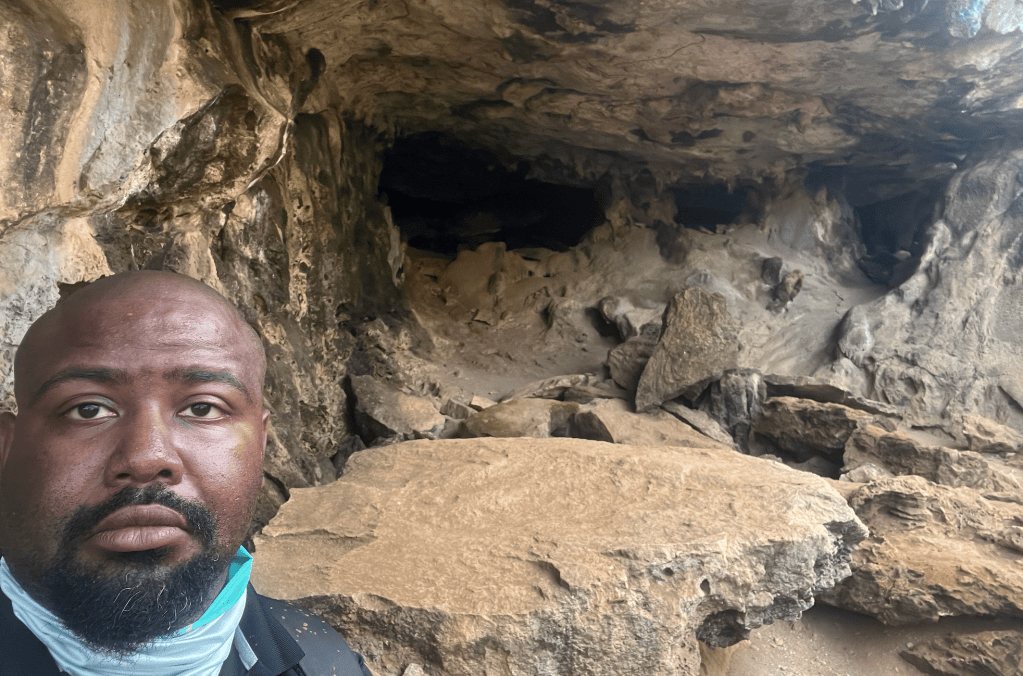
As our stay went on, however, we found his observation to be remarkably true. Through guided tours and conversations with locals, we learned that Curaçao is a Dutch territory with a complex history of rule by European powers, including Spain and England. It also has a population that is more than 80% of African descent; a legacy of its past as one of the largest slave ports in the Caribbean per capita. The picture above is at a cave where Africans would hide during their efforts to escape capture. Yet, despite a history and demographic makeup that are hardly unique to this region, the overwhelming sentiment from people across all walks of life was that the island isn’t defined by an ethnic power or class struggle. It left our group wondering why; a question we will be unpacking for a long time.
One clue stood out almost immediately: most of the island’s inhabitants are quadrilingual. Children learn Papiamento and Dutch in primary school, then add English and Spanish in secondary school. Another Dutch tour guide informed us that his secondary schooling in the Netherlands required him to spend time abroad, which is how he ended up on the island. Everywhere we looked, street signs, billboards, and storefronts blended these four languages seamlessly. What felt disorienting to us as visitors was completely ordinary to them.
It leaves me with a question I plan to revisit here and in other spaces: What impact does early linguistic and cultural immersion have on how we accept, appreciate, and relate to people who are different from us, and could it be a blueprint for building healthier multicultural communities?


Leave a Reply